
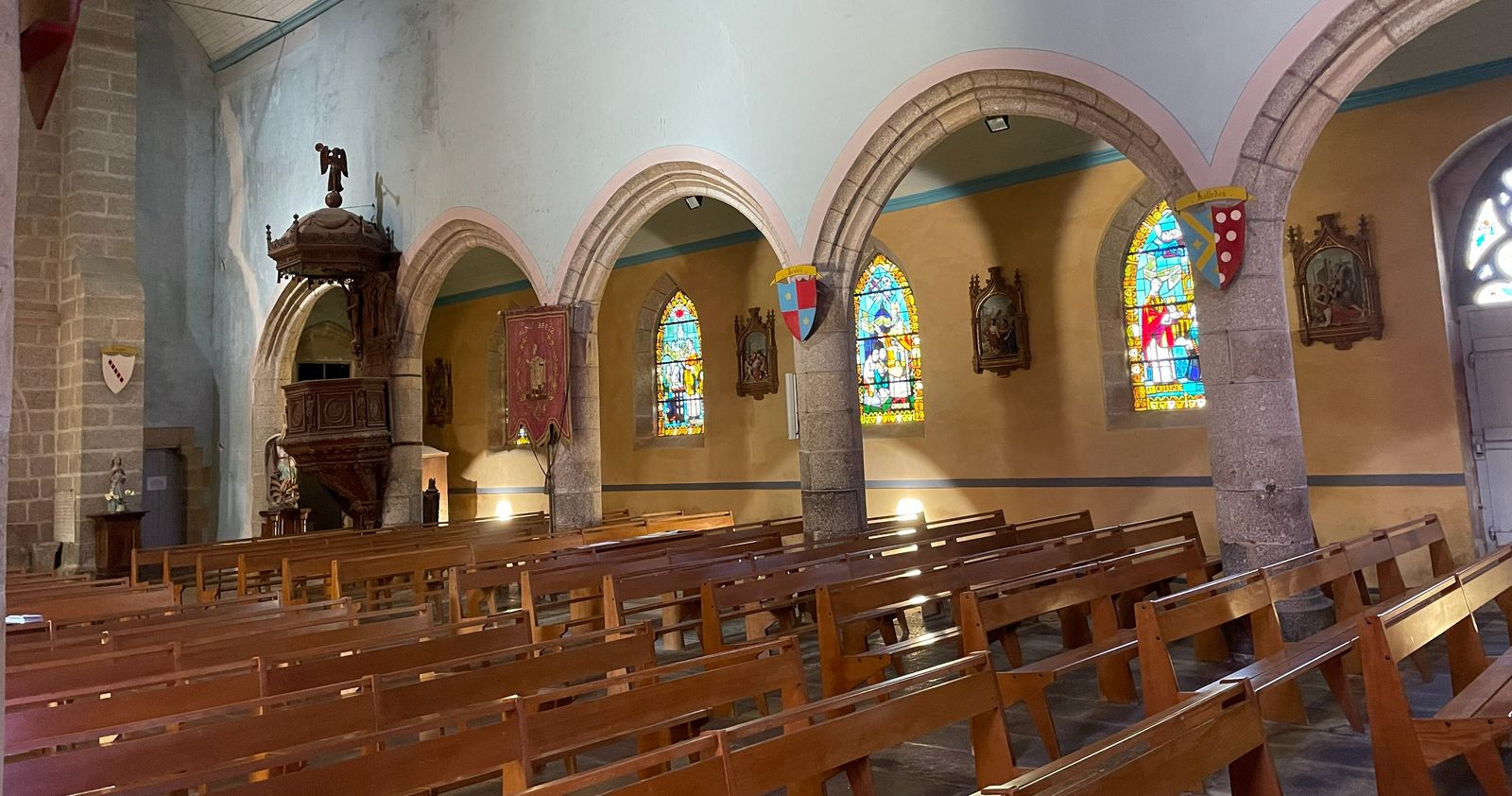
Catholic Mass online can connect homebound viewers, travelers, caregivers, and people exploring the faith with a live or recorded celebration. A stream can help someone hear the readings, follow the prayers, and remain connected to Catholic worship when attending in person is impossible. It still helps to be precise about what a broadcast is. Watching Mass is a mediated participation in a liturgy taking place elsewhere; it is not the same physical participation as being present in the church.
Choose a stream you can identify
Start with the source. A parish, diocese, Catholic broadcaster, monastery, or other clearly identified Catholic organization gives you context for what you are watching. Look for the church or ministry name, date, and whether the video is live or recorded.
My Catholic Tube has collected Catholic channels and playlists since 2014. Our homepage links to resources such as EWTN, CatholicTV, diocesan material, and other Catholic video collections. Use those entries as starting points, then check the current broadcaster page when you need an exact Mass time.
Use Catholic video channels and playlists to find a suitable broadcast, then check the source organization’s current schedule for the exact Mass time.
Follow the structure instead of treating it like background video
The United States Conference of Catholic Bishops describes the Mass as a liturgy with an ordered structure: Introductory Rites, Liturgy of the Word, Liturgy of the Eucharist, and Concluding Rites.
If you are watching at home, that structure gives your attention somewhere to go. Arrive before the opening rather than dropping in at random. Silence notifications. Stand, sit, or kneel if doing so helps you pray and your health permits. Listen to the readings rather than multitasking through them.
The USCCB’s structure and meaning of the Mass is a clear reference if you are unfamiliar with the sequence.
Know what a livestream cannot do
A screen cannot provide sacramental Communion. It also does not automatically replace the Sunday or holy-day obligation for a Catholic who is able and obliged to attend Mass.
Canon 1247 states the obligation to participate in Mass on Sundays and holy days of obligation. Canon 1248 explains how participation in a Catholic rite satisfies that obligation and also addresses situations where participation becomes impossible because of the absence of a sacred minister or another grave cause.
The relevant Code of Canon Law provisions are better authority than a generic statement that “online Mass counts” or “never counts.” Personal circumstances can matter. A pastor can help with questions about illness, care responsibilities, travel, or other serious impediments.
Live and recorded Mass can serve different needs
A live broadcast preserves a shared time: the liturgy unfolds while you watch. A recording offers flexibility for someone who cannot join at the scheduled hour. Neither format changes the fact that the sacramental celebration occurs at the altar where the priest and congregation are physically gathered.
For someone learning the Mass, recordings also make it possible to pause and revisit an unfamiliar part later. During prayer itself, continuous viewing usually preserves the flow better than frequent rewinding.
The USCCB’s guidance for televising liturgy says live transmission should be used whenever possible, while allowing recorded broadcasts when live transmission is not possible. That guidance is directed at broadcasters, yet it also explains why Catholic media often prefer live Mass.
For viewers, the practical goal is simple. Choose a trustworthy source, give the liturgy your attention, and keep the distinction between prayerful viewing and physical attendance clear.
Catholic Mass online is most useful when technology stays in its proper place. The stream opens a window onto worship; it does not become the altar itself.
