
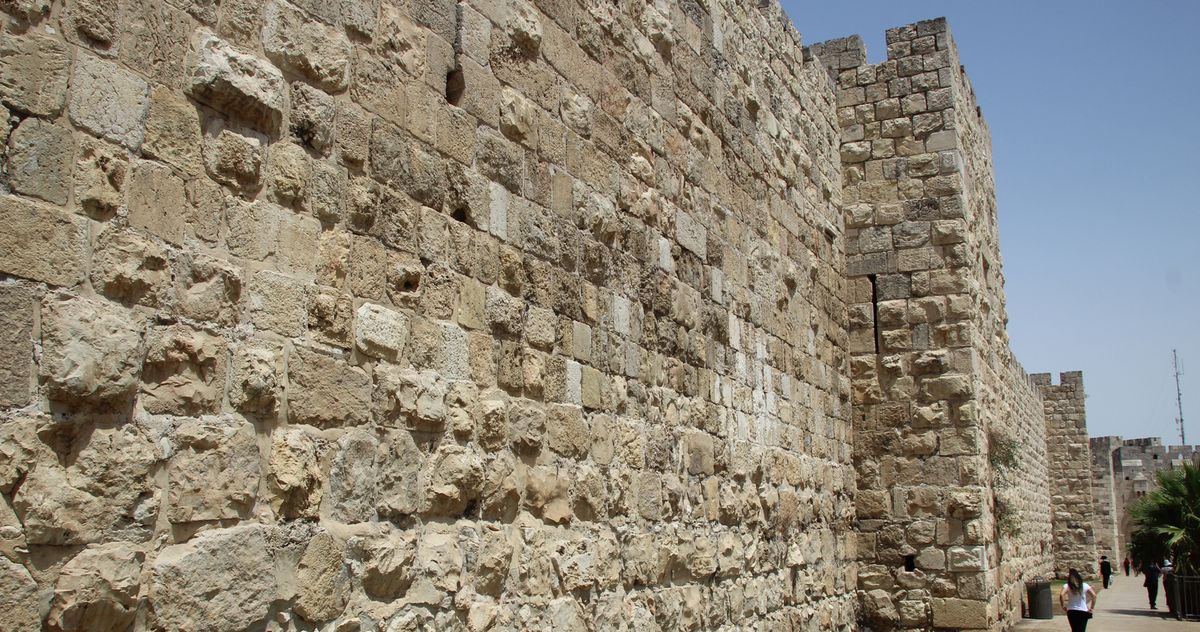
The history of the Crusades cannot be reduced to one war between two fixed sides. The campaigns stretched across generations, involved shifting Christian and Muslim powers, and sometimes turned against other Christians. A clean timeline helps before you move into arguments about motives or legacy. For this overview, the focus stays on the major eastern Mediterranean crusades from the call associated with 1095 through the fall of Acre in 1291.
1095–1099: the First Crusade
Pope Urban II called for armed aid to eastern Christians and a campaign toward Jerusalem in 1095. Forces from western Europe moved east in several contingents rather than as one modern national army.
Jerusalem was captured by crusaders in July 1099. The conquest included mass killing in the city, a fact that belongs in any serious account of the campaign. Crusader polities then formed in the region, including the Kingdom of Jerusalem and other states.
The Metropolitan Museum of Art’s overview of the Crusades offers a useful museum-based timeline and connects the campaigns with the material culture they produced.
1140s–1187: the balance shifts
The Second Crusade followed the fall of Edessa in 1144. Its major western expedition failed to reverse the strategic problem, and the crusader states continued to depend on changing alliances and military resources in the region.
A larger turning point came under Saladin. His forces defeated the crusader army at Hattin in 1187 and recovered Jerusalem soon afterward.
That sequence matters because “the Crusades” were never a continuous western advance. Territory changed hands. Political leadership changed. Local conditions mattered as much as broad religious slogans.
1189–1204: famous rulers and a disastrous diversion
The Third Crusade brought rulers including Richard I of England and Philip II of France into the eastern Mediterranean. Crusader forces recovered Acre, and Richard won important battles, though Jerusalem remained under Muslim control.
Then came the Fourth Crusade, which shows why simple two-sided narratives fail. Instead of taking Jerusalem, crusaders attacked and captured Constantinople in 1204, the capital of the Byzantine Christian Empire. The sack deepened the rupture between Latin and Greek Christians and reshaped politics in the eastern Mediterranean.
Real Crusades History videos take the discussion beyond this outline.
The thirteenth century was not one final campaign
Later crusades followed different routes and objectives. Louis IX of France led campaigns in the thirteenth century, including expeditions to Egypt and Tunis. Other crusading movements occurred outside the Holy Land as well, which is one reason historians use the term carefully.
Meanwhile, the remaining crusader-held territories on the eastern Mediterranean coast contracted. Acre, a major center of the Latin presence, fell in 1291. The Met uses 1095–1291 as the frame for its overview of the crusading period in the Holy Land.
That date closes a useful timeline, though it does not close the history of crusading ideology, later campaigns, or Christian-Muslim relations.
Read beyond heroes and villains
The Crusades involved faith, warfare, politics, pilgrimage, dynastic ambition, trade, diplomacy, violence against civilians, and conflict within religious communities. Those elements do not fit neatly into one moral slogan.
A good next step is to compare narrative accounts with material evidence: fortified sites, manuscripts, liturgical objects, weapons, architecture, and records from multiple communities. The point is not to flatten every side into sameness. It is to keep the history specific.
That is the best use of a history of the Crusades: establish chronology first, then test interpretations against sources instead of choosing a conclusion and forcing two centuries of events to fit it.
