
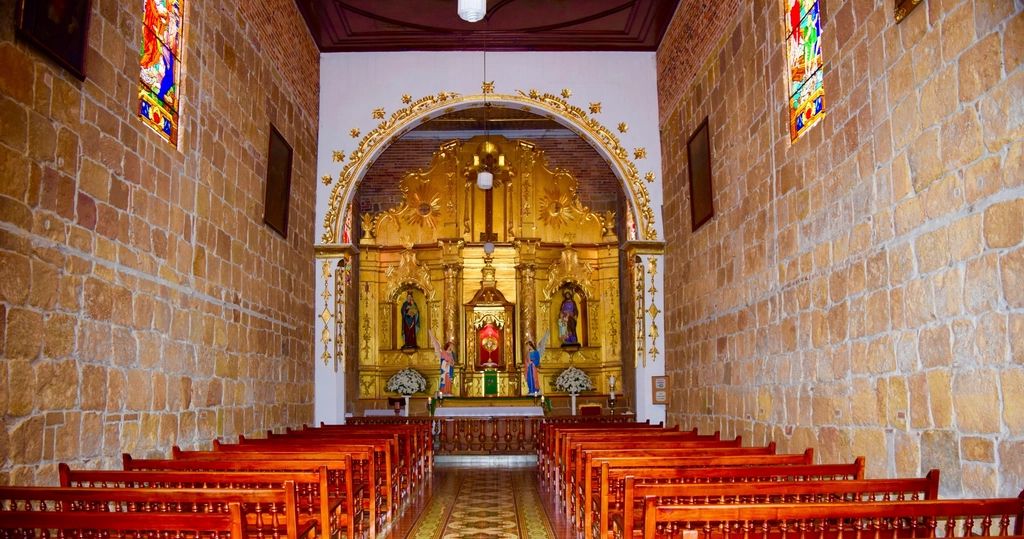
“Novus Ordo Mass” is a common informal name for the form of the Roman Rite celebrated according to the Roman Missal promulgated after the Second Vatican Council. The phrase can carry strong opinions online, so it helps to begin with documents instead of labels. The liturgy did not appear from nowhere in the late 1960s. It came from a conciliar reform, a revised Roman Missal, and later editions that continue to govern celebration today.
Start with the Second Vatican Council
The Second Vatican Council’s Constitution on the Sacred Liturgy, Sacrosanctum Concilium, was promulgated in 1963. It called for a reform of the liturgy while emphasizing continuity with the Church’s worship and the participation of the faithful.
The document did not publish a finished new missal. It established principles and authorized revision. That distinction matters because discussions often compress a multi-stage process into a single date.
Readers who want the source can go directly to the Vatican’s text of Sacrosanctum Concilium. It is more useful than arguing from a short clip about what the Council supposedly said.
Paul VI promulgated the revised Roman Missal
Pope Paul VI issued the Apostolic Constitution Missale Romanum on April 3, 1969. The document promulgated the revised Roman Missal that followed the Council’s liturgical reform.
This is the historical point usually sitting behind the term “Novus Ordo.” The label itself is not the title printed on a parish bulletin or the official name of a separate Catholic religion. In ordinary Catholic life, people usually say “Mass,” “Roman Rite,” or refer to the Roman Missal being used.
The Vatican’s Missale Romanum is the primary document for this stage of the story.
The basic structure is easier to understand than the online arguments
The Mass has major movements that Catholics recognize across ordinary celebrations: Introductory Rites, Liturgy of the Word, Liturgy of the Eucharist, and Concluding Rites. Within those parts come readings, prayers, the homily on prescribed days, the preparation of the gifts, the Eucharistic Prayer, Communion, and dismissal.
An EWTN Daily Novus Ordo Mass lets viewers see the structure in practice instead of discussing the rite only in abstraction.
Language is another area where online summaries get sloppy. The post-conciliar Roman liturgy may be celebrated in Latin, and approved vernacular translations are widely used. “Novus Ordo” therefore does not simply mean “English Mass.”
Music, posture, and the amount of spoken or sung Latin can vary within the legitimate celebration of the same Roman Missal. Those differences may be noticeable to a visitor, though they do not create a different rite every time the parish style changes.
Why the terminology can confuse people
Catholics sometimes use “Novus Ordo” to distinguish the post-conciliar Roman Missal from celebrations using the 1962 Roman Missal. That shorthand can be practical, though Church law and current liturgical rules should come from official documents, especially because regulations surrounding earlier liturgical books have changed over time.
It is safer to identify the missal or rite you mean than to load the phrase with assumptions about music, reverence, architecture, or the beliefs of the people attending. Those features vary from parish to parish and are not definitions of the liturgical form.
For My Catholic Tube viewers, the useful approach is documentary and visual. Read the Council. Read Missale Romanum. Then watch a full celebration closely enough to see its structure. The Novus Ordo Mass is easier to understand when the discussion begins with the Church’s texts and the liturgy itself, not with a social-media argument built around the nickname.
